



Construction sites attract tools, materials, and people, and sometimes unwanted attention. The right camera setup gives project leads clear eyes on the site without constant site visits. This post explains practical, budget-friendly ways to secure sites, reduce theft, and improve safety using modern monitored cameras.
Why Security Matters on Active Sites
Unattended tools and unsecured material storage are common loss points. Theft, vandalism, and accidental damage all slow progress and push budgets up. Visible cameras act as a deterrent, while live monitoring can trigger an immediate response when someone breaks in after hours. Reducing these interruptions keeps crews productive and helps projects finish on time.
Key Advantages of Live-Monitored Feeds
- Monitored systems blend technology and human review to catch issues fast.
- 24/7 observation with real people or smart alerts to filter false alarms.
- Remote access so managers can check progress and deliveries without driving to the site.
- Recorded footage for claims, incident review, and evidence in disputes.
- Faster incident response reduces loss and limits downtime.
What to Look for in Austin Job Site Cameras?
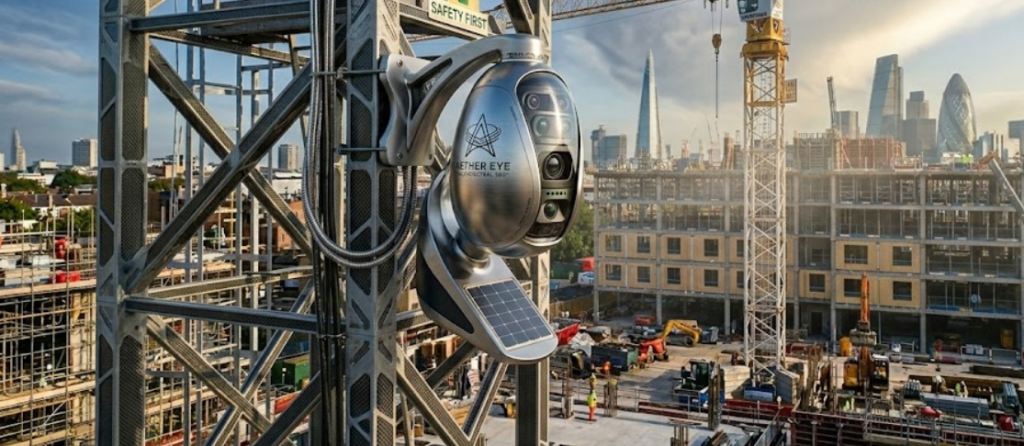
Pick systems built for rough environments and clear evidence capture. Look for weatherproof housings, infrared or low-light performance, and a high enough resolution to read license plates or ID tags at useful distances. A mix of fixed and PTZ (pan-tilt-zoom) cameras gives both wide coverage and close-up inspection when needed.
Quick Setup Checklist
- Small planning steps make installation quick and effective.
- Identify high-value zones like equipment yards, material storage, and entry points.
- Verify power and connectivity: standard outlets, battery backup, or cellular failover.
- Decide camera heights and angles to avoid blind spots and glare.
- Plan signage to notify visitors that the site is under surveillance.
- Confirm data retention period and access rights for footage.
This checklist helps teams save time and ensures the system records useful clips for operations or claims.

How does Monitoring improve Safety and Compliance?
Beyond theft prevention, cameras help with safety oversight. Supervisors can spot risky behavior, enforce PPE rules, and document safe practices. Reviewing footage after an incident allows teams to correct procedures and reduce repeat events. Over time, consistent monitoring builds a stronger on-site safety culture.
Cost-Saving Strategies without Cutting Protection
Security doesn’t have to break the budget. Consider a phased approach! Start with job site cameras covering the most vulnerable areas, then expand as the project grows. Cellular cameras avoid trenching for network cabling and reduce installation time. Also, ask providers about bundled services (installation + monitoring + cloud storage), which often cost less than piecing vendors together.
Choosing the right Monitoring Service
Not all monitoring is equal. Ask potential providers about who watches the feeds, what triggers an alert, and how they escalate incidents. Check response protocols. Do they call the site contact, law enforcement, or a local guard service? Clarity here makes the system practical and worth the monthly fee.
Common Mistakes to Avoid
A few pitfalls can reduce a system’s value: mounting cameras too low so they’re easy to tamper with, ignoring lighting or sun angles that wash out images, and failing to secure login credentials. Also, don’t assume “one camera covers all”; overlapping fields of view reduce blind spots and improve evidence quality.
Conclusion Affordable, monitored job site cameras give project teams actionable oversight, faster incident response, and useful footage for insurance or dispute resolution. Start with clear coverage planning, pick durable hardware, and choose a monitoring provider with transparent response rules. For a tailored quote and professional installation for projects across the area, contact Birdseye Surveillance.

Comments are closed.