



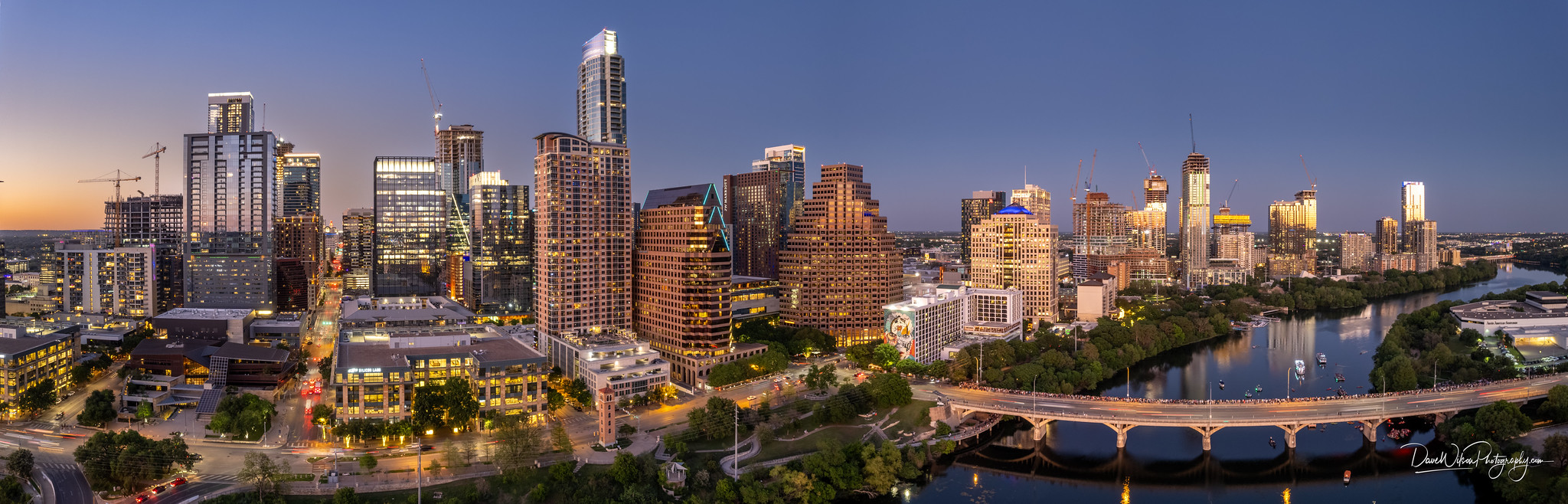
Texas remains one of the nation’s most dynamic population centers, driven by both domestic and international migration. The U.S. Census reported Texas as a leading destination for domestic movers in recent estimates, with substantial gains from other states even as net migration softened from pandemic highs.
Who’s moving here — and from where?
Between recent annual estimates Texas recorded one of the largest net domestic migration gains in the U.S., with many new residents coming from high-cost states such as California, New York and Illinois. International migration also contributes meaningfully to Texas’ growth, especially in larger metro areas.
City-by-city snapshot (Austin, Dallas, San Antonio, Houston)
- Austin (Austin–Round Rock–San Marcos): The Austin metro has been among the fastest-growing in Texas over the last half-decade, adding hundreds of thousands of residents since 2020 and moving into the top U.S. metro ranks in size. Growth has concentrated both in the core and in fast-expanding suburbs along the I-35 and in northern bedroom communities.
- Dallas–Fort Worth (DFW): DFW continues to be a powerhouse—one of the fastest-growing U.S. metros recently—adding roughly 177,900 residents from mid-2023 to mid-2024 alone. Suburbs such as Frisco and McKinney continue to show outsized percentage and numeric gains.
- Houston: As one of the nation’s largest metros, Houston has seen sustained growth over the past decade (adding over a million+ residents across the 2010s and early 2020s). Growth patterns are broad, with expansion in outer-belt suburbs (The Woodlands, Katy, Fort Bend County) and strong international migration into the region.
- San Antonio: San Antonio’s metro continues to expand robustly — much of it fueled by domestic in-migration — and nearby Hill Country cities (e.g., New Braunfels) are among the fastest-growing smaller markets, benefiting from location between San Antonio and Austin.
Where growth is most dramatic
Rapid expansion along key corridors—DFW’s northern suburbs, Austin’s I-35 and northwestern suburbs, Houston’s outer counties, and San Antonio’s Hill Country fringe—has driven housing demand, transportation pressure, and infrastructure needs statewide. State and local planners are actively updating projections and resource plans.
Protecting growth with Birdseye Surveillance
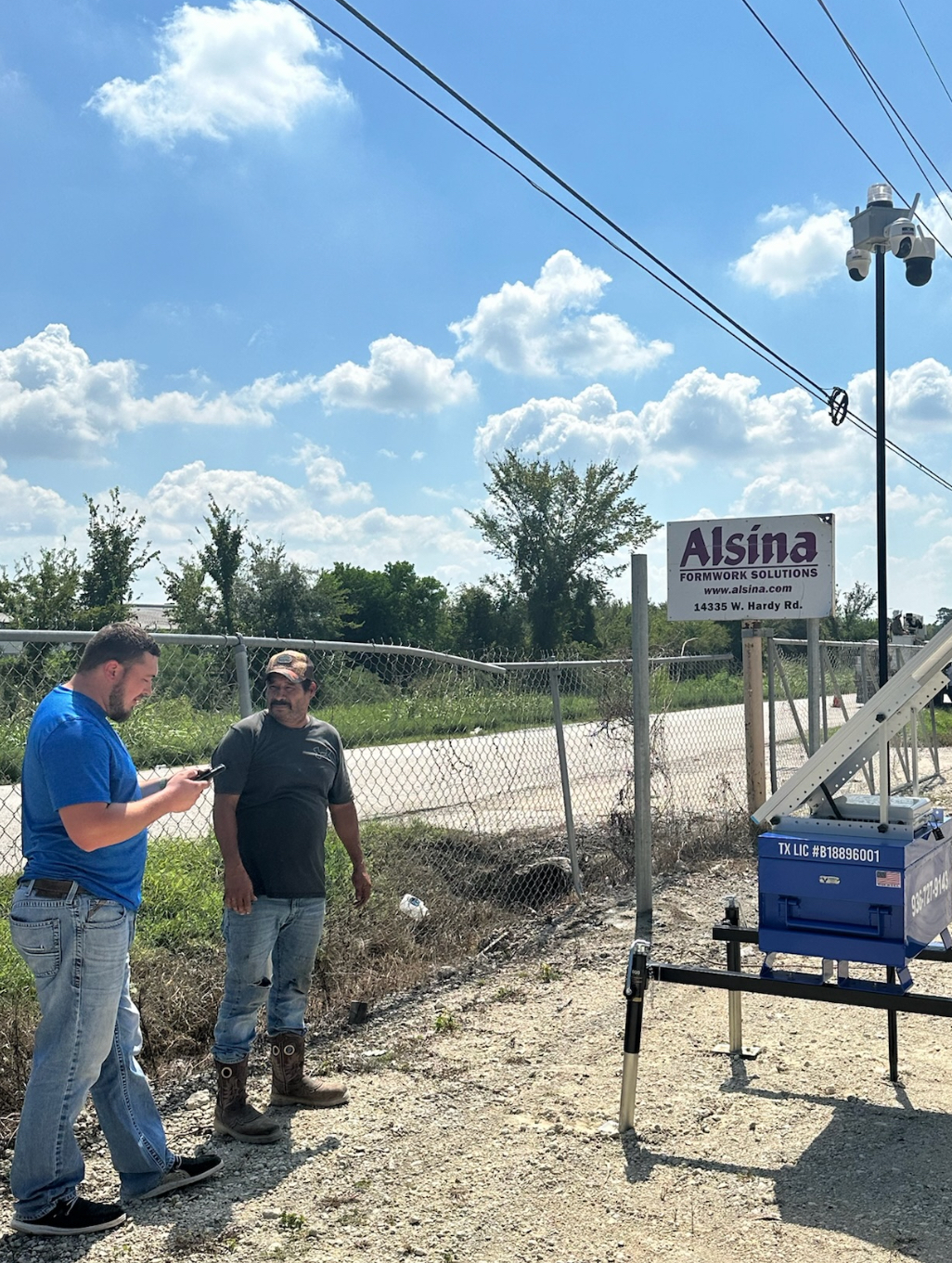
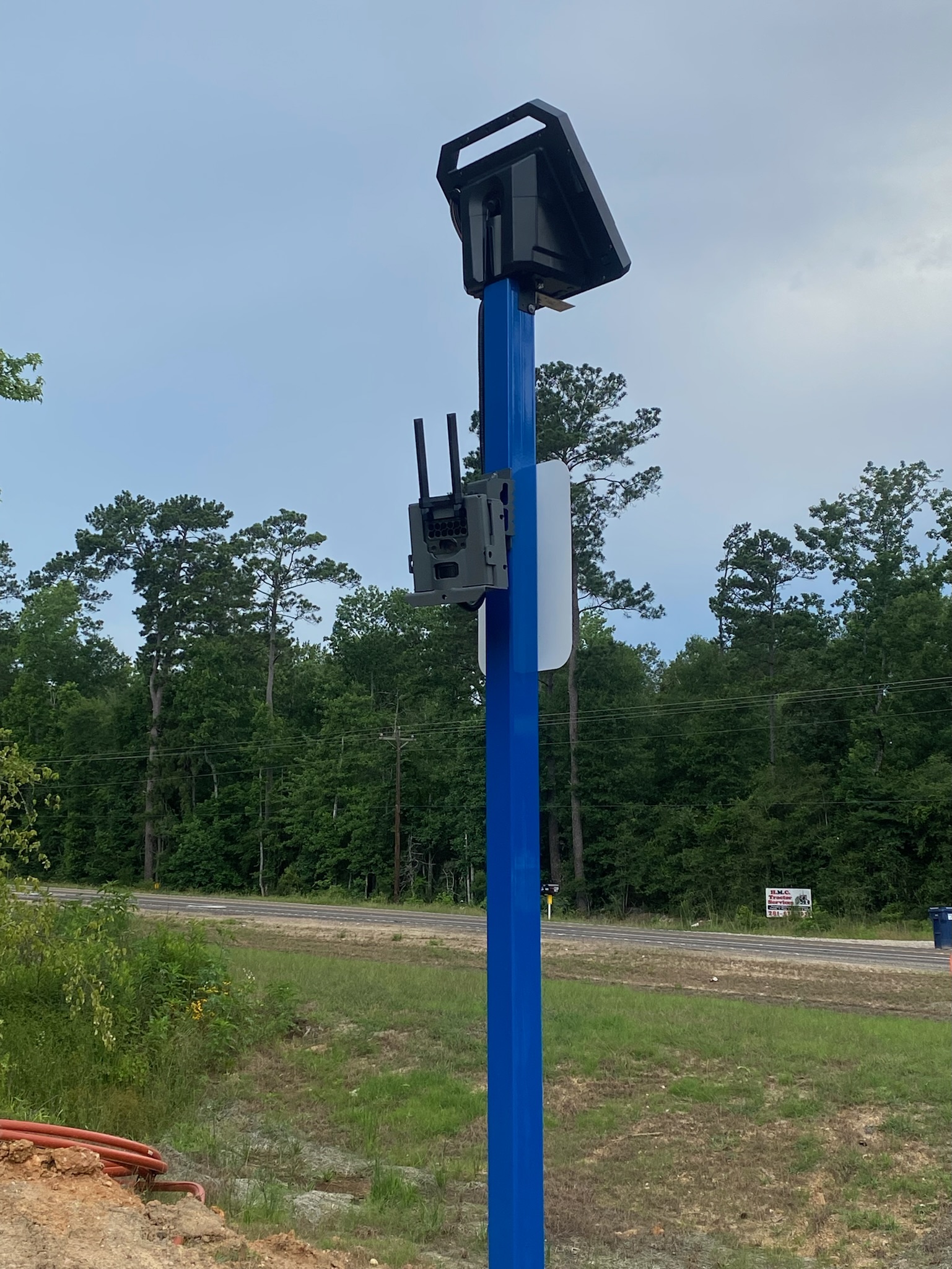
As communities and construction activity expand, job sites, materials, and new developments become higher-value targets. Birdseye Surveillance offers rapidly deployable camera trailer systems with remote monitoring, license-plate capture, and relocation flexibility to protect projects across booming Texas corridors. Contact us to schedule a site assessment and protect your investment as Texas grows.

Comments are closed.