


Hello Team,
As the recent cold front sweeps through the southern states, we at Birdseye Surveillance want to ensure you’re fully prepared to protect your construction- and job-site operations under these colder conditions. Winter-type hazards may be less common where you work, but when they do hit, they hit fast and can create serious risks.
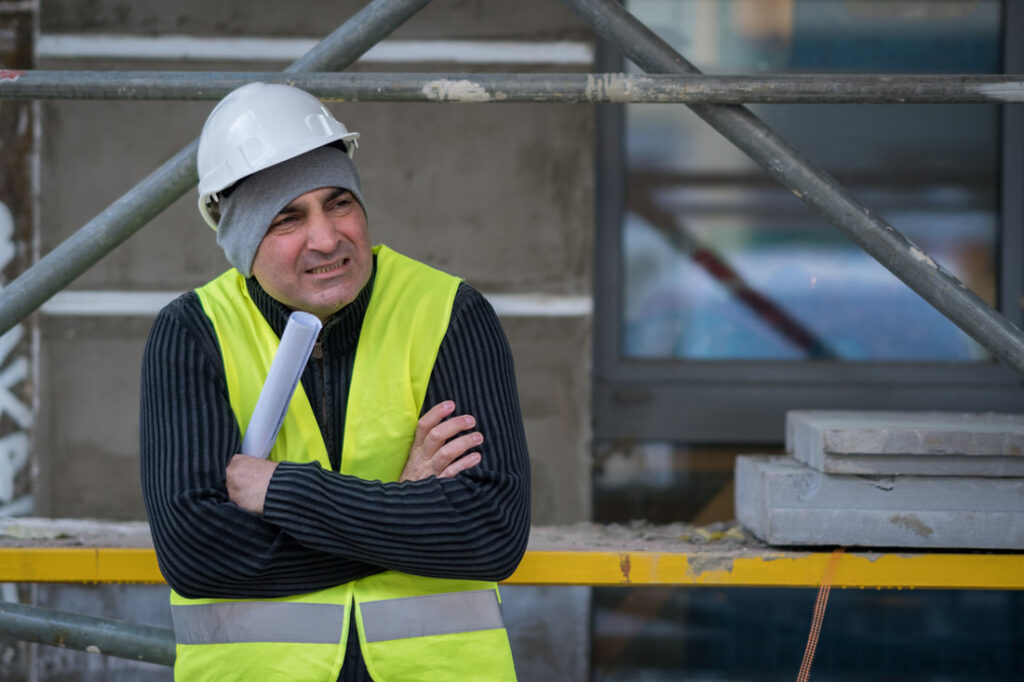
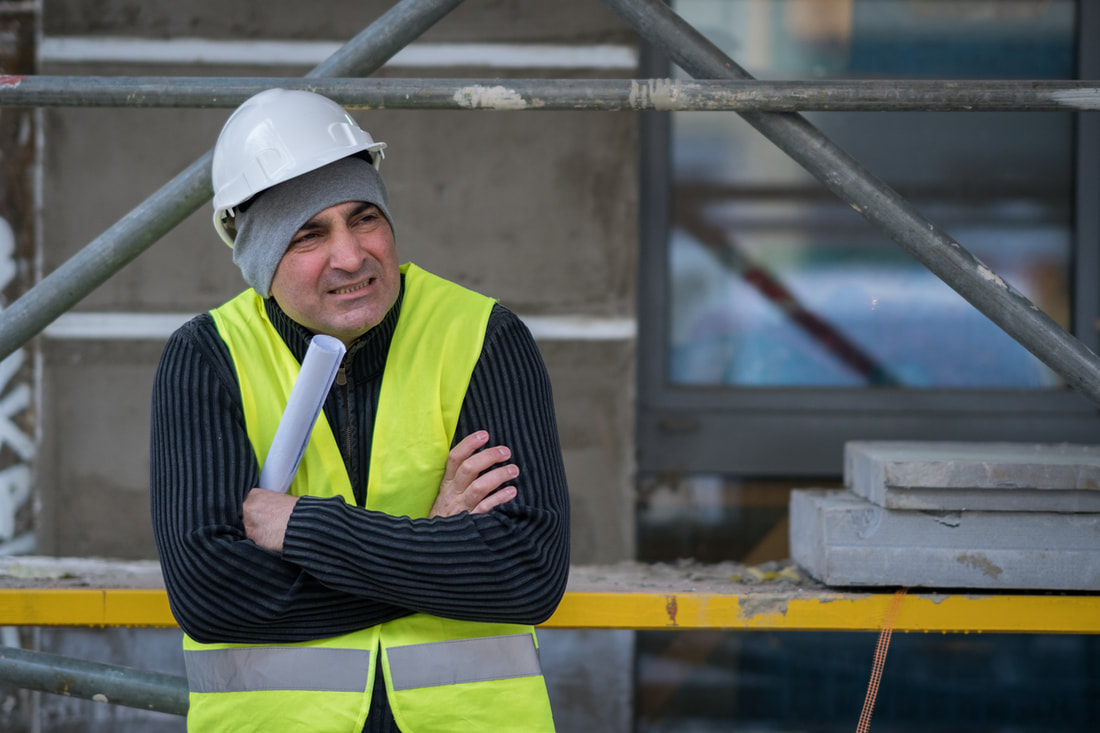
🚨 Why extra vigilance is required
- Falling temperatures bring elevated risk of cold stress, hypothermia and frostbite for outdoor crews.
- Snow, ice, frost, freezing rain or wind-chill can create very slick surfaces, making slips, trips, falls and vehicle/equipment accidents much more likely.
- Cold weather also affects equipment performance — hydraulic fluids, wiring, hoses, and more may respond differently under colder conditions.
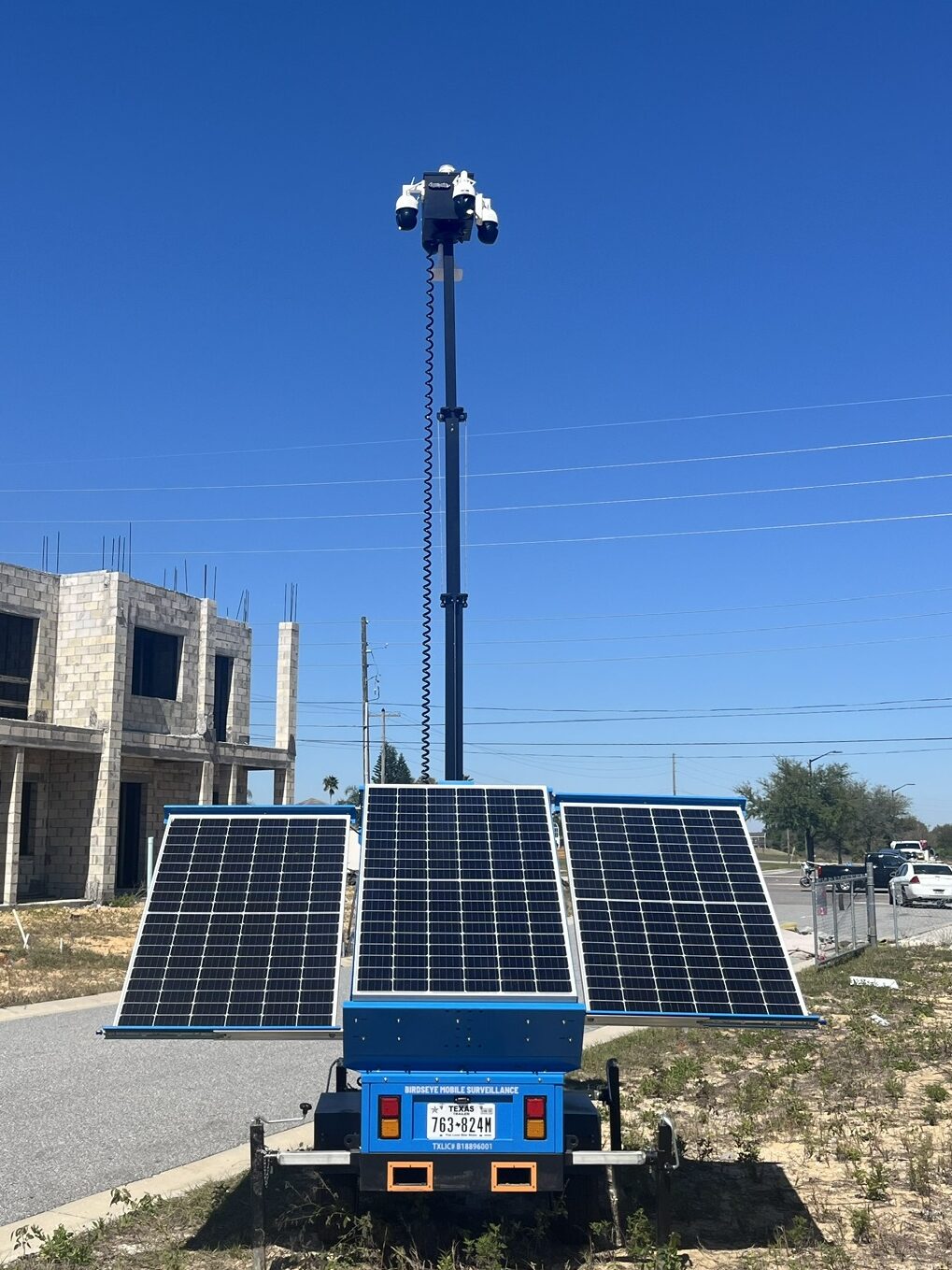
- For us at Birdseye Surveillance: The security camera systems we deploy are often outdoors, monitoring critical assets. Cold, wind, snow or ice accumulation can reduce visibility, impair hardware, or conceal intrusion or theft threats. Keeping these systems functional and the site safe works hand-in-glove with job-site safety.
✅ Key steps to take now
Here are practical steps to integrate into your winter readiness plan:
1. Monitor weather + adjust schedules
- Check detailed forecasts for your region; watch for sudden drops in temperature or wind-chill alerts.
- Consider re-scheduling high-exposure tasks during the coldest hours or breaking them into shorter increments with more frequent warm‐ups.
2. Clear walkways/working surfaces + manage ice
- Remove snow, ice, frost from stairs, scaffolding, walkways, roof edges, vehicle access zones, and around site equipment.
- Spread salt, sand or other anti-slip materials on access paths and driveways.
- Keep an eye on icing under tarps, near portable job trailers, and around outdoor surveillance camera poles or mounts (ice buildup can obscure lenses or damage gear).
3. Ensure proper PPE + clothing layers
- Require crews to wear appropriate layered, loose-fitting insulation, waterproof outer layer, hats, insulated gloves and boots with good traction.
- Remind the team that wet clothing chills the body rapidly—if outer layers become wet, they should change into dry gear.
4. Provide warm-up/break zones
- Set up a heated trailer, tent or indoor space where crews can take periodic breaks, warm up, hydrate, and change out of cold/wet clothing.
- Encourage warm (non-caffeinated) beverages and limit exposure to the elements for longer than scheduled.
5. Inspect equipment and site infrastructure
- For heavy machinery, check that fluids are rated for low-temperature use, ensure cabs/heat are functioning, remove ice/snow from windshields, steps and controls.
- For surveillance & security systems: Check camera enclosures and mounts for ice/snow buildup, ensure power back-ups are fully operational, verify monitoring system connectivity (cold can degrade some batteries or cause condensation).
- Ensure site lighting works, since daylight hours shrink and shadows/visibility issues magnify in winter conditions.
6. Update job-site security protocols
- Because cold weather may slow down crew response times or shift work hours, it’s more important than ever that remote monitoring is reliable. At Birdseye Surveillance, we recommend:
- Confirming each camera’s field of view is clear (no ice blockages)
- Verifying license plate reader cameras or perimeter sensors aren’t iced over or obscured
- Reminding site managers to report any anomalies or weather-induced changes promptly so we can adjust camera angles or add lighting if needed
- Consider increased monitoring for after-hours periods when site staffing may be reduced or crews leave earlier due to cold conditions.
7. Communicate & document
- Conduct a toolbox talk focusing on cold-weather hazards, slips/falls, cold stress, equipment caution, and surveillance awareness.
- Document site checks: ice/snow removal, camera checks, equipment warm-ups, extra PPE provided. Good documentation strengthens both safety outcomes and insurance/compliance posture.
🎯 Why this matters for your bottom line
- A safe, well-monitored job-site keeps work moving: fewer weather-related delays, fewer slip/fall incidents, fewer equipment breakdowns.
- For builders, contractors and HOAs we serve: Minimizing material theft, vandalism or unmonitored site access — especially when crews reduce staffing due to cold — is vital. Our camera systems are critical to that coverage.
- Occupational safety compliance: While there’s no cold-work standard per se, your legal obligation to maintain a safe workplace under Occupational Safety and Health Administration (OSHA) remains strong.
- Cold-weather readiness = better reputation, fewer claims, more reliable project delivery.
📋 Quick Checklist You Can Use Today
- Review forecast & flag upcoming cold/wind-chill alerts
- Clear and treat all walking/working surfaces for ice/snow
- Confirm crews have layered, dry clothing + non-slip boots
- Activate heated break area and schedule warm-up intervals
- Inspect heavy equipment + surveillance camera infrastructure
- Conduct toolbox talk and document all actions
- Ensure remote monitoring systems are checked and functioning
- Log all site checks, incidents, and actions taken
In summary:
As the cold front plunges through the region, take the opportunity now to lock in strong protection for your site, your people, and your equipment. At Birdseye Surveillance, we stand ready to support the extra layer of visibility your job-site needs during these conditions.
Let us know if you need assistance checking your camera setups, scheduling a site review, or providing tailored remote monitoring during extended cold snaps. Stay safe, stay monitored, stay in control.
Warm regards (ironically!),
Russell Knott
Marketing Manager
Birdseye Surveillance

Comments are closed.