



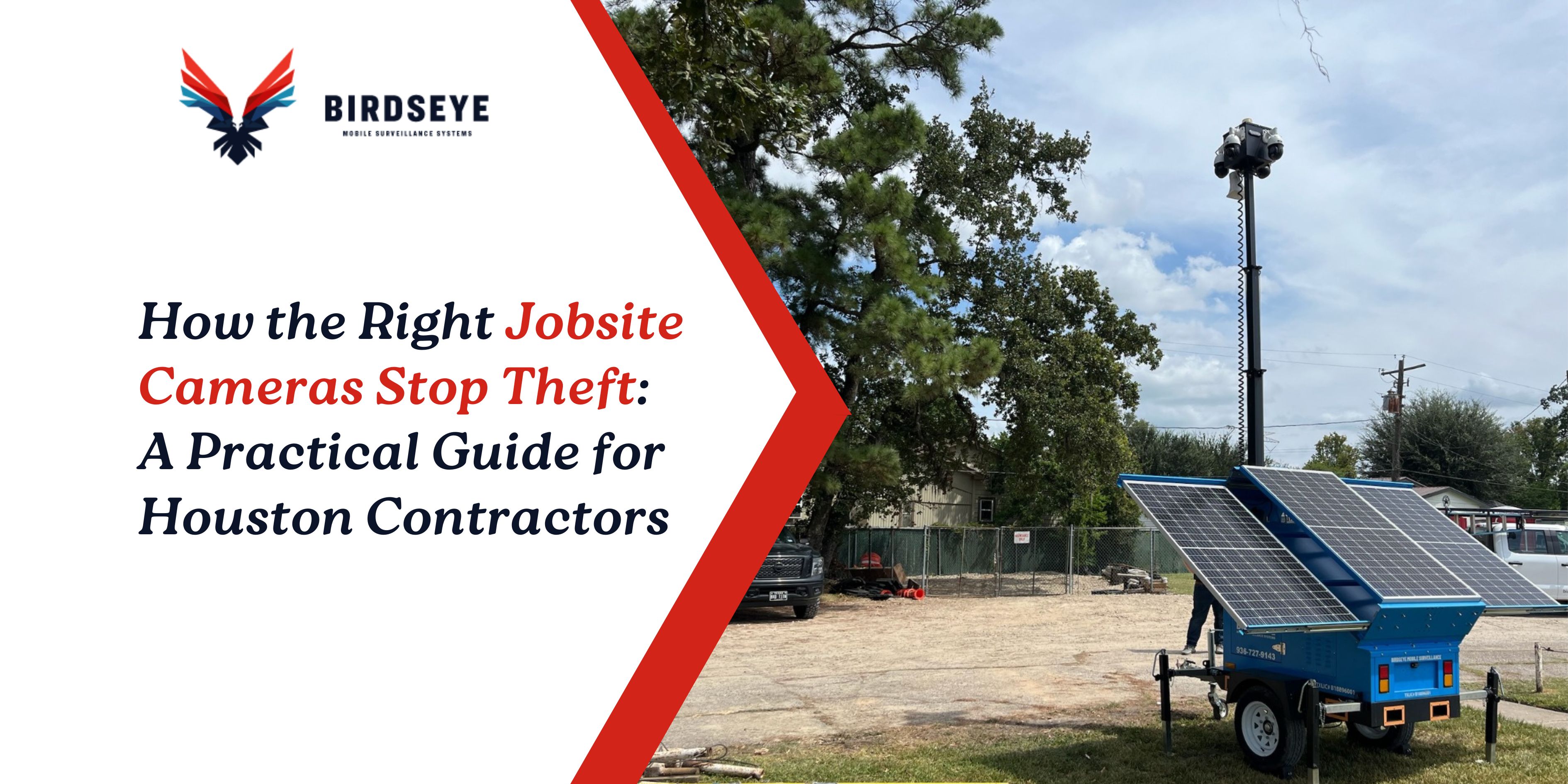
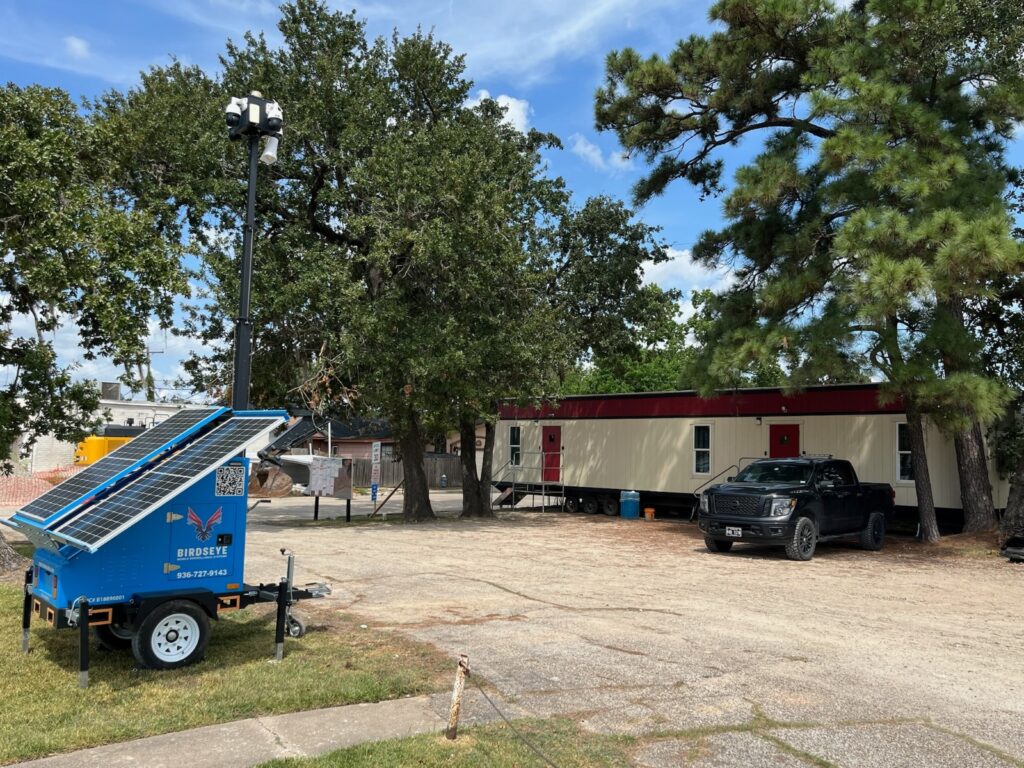
Construction sites are attractive targets. Equipment, tools, and materials are valuable, often left in partially secured areas, and sometimes spread across large sites. Losses from theft run into the hundreds of millions annually, and recovery rates are low, which makes prevention far cheaper than replacements. A well-designed jobsite camera program is one of the easiest and most effective deterrents for construction site surveillance.
What to Expect from Modern Jobsite Cameras?
Today’s systems go beyond passive recording. Look for units offering high-resolution video (4K where possible), wide dynamic range for day/night performance, infrared/night vision, and integrated motion analytics that reduce false alerts. Many cameras include two-way audio, built-in sirens, and automatic lighting triggers, features that increase on-site deterrence and improve the odds of recovery.

Remote Monitoring and Virtual Guard Services
Pairing cameras with a virtual monitoring service brings 24/7 human oversight. When cameras detect suspicious movement, trained monitors verify activity and dispatch law enforcement or on-site contacts.
This live verification reduces false alarms and speeds response time, a major advantage over standalone recorders. Providers advertise job site monitoring that integrates with local police protocols and logs evidence for investigations.
Key Features that Actually Prevent Theft
- High-resolution imaging to identify faces and license plates.
- Real-time alerts (push/SMS/email) with verified video clips.
- Tamper detection and surge-protected housings.
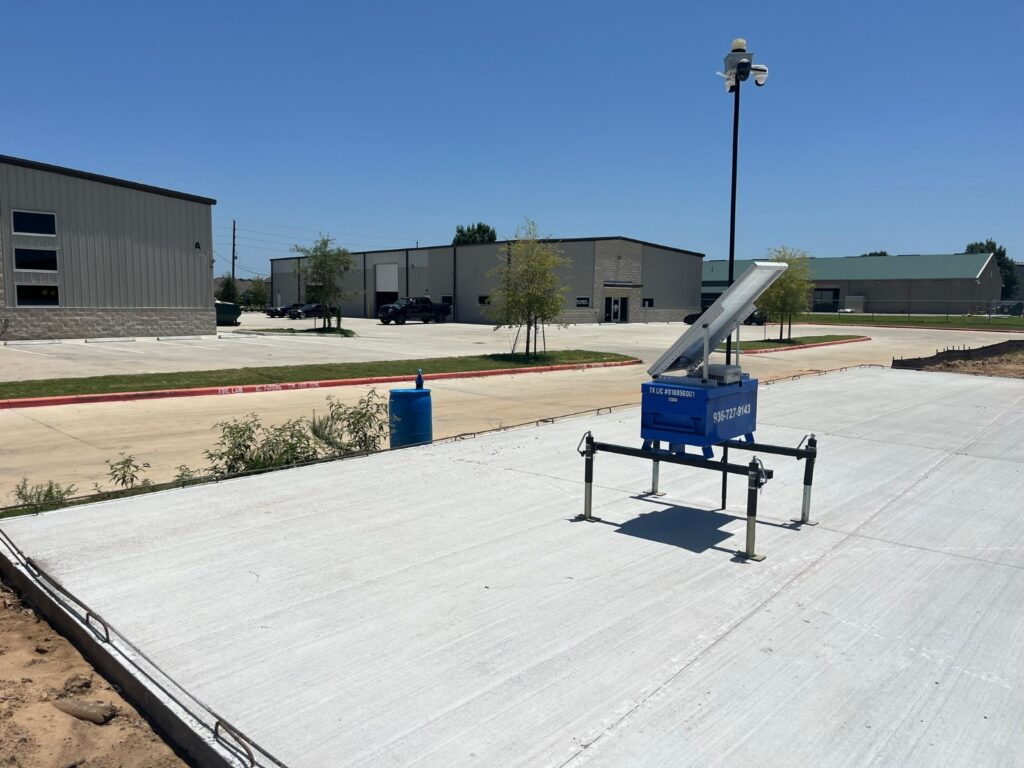
- Battery or solar backup to keep systems running if power is cut.
- Edge analytics (person/vehicle detection) to reduce noise from animals or weather.
These features are repeatedly recommended by industry guides and vendors focused on construction site surveillance.
Placement and Strategy: Where Cameras Matter Most
Place cameras to cover storage yards, gate entrances, equipment clusters, and perimeter fencing. Overhead pole mounts at 12–20 ft provide broad views; fixed PTZ units can be scheduled to patrol high-value areas.
Combine visible units (deterrent) with concealed units (evidence capture). Secure the camera power and data lines, and consider redundant storage (local + cloud) so recordings aren’t lost after a theft.
Budgeting and ROI
Cameras range from budget-friendly wireless units to enterprise-grade 4K systems with monitoring contracts. The right choice balances deterrence and evidence needs: often a mixed approach (fewer 4K fixed cams + several wireless point cameras + monitored service) gives strong coverage without overrun budgets.
Given high replacement costs and schedule delays from theft, modest camera and monitoring investments often pay for themselves quickly. Industry reporting shows thefts cost the sector hundreds of millions annually. Prevention is usually the best investment.
Quick Deployment Checklist
Start with a site survey, prioritize high-value zones. Choose cameras with analytics and backup power, add remote monitoring for immediate response, and log access credentials and video retention policies for evidence management.
Conclusion
Jobsite cameras are both deterrents and evidence machines. The right features, like high resolution, analytics, power redundancy, and live monitoring, reduce theft risk and speed recovery when incidents occur. For Houston contractors protecting tools, materials, and schedules, a targeted camera program is a practical, cost-effective part of site risk management. Contact Birdseye Surveillance for more information regarding the best construction site cameras in Houston.

Comments are closed.