



When it comes to construction and job sites, safety and security are always a top priority. Both Austin and Houston are growing cities with many ongoing projects. But did you know that job site security Austin and job site security Houston are influenced strongly by local rules and laws? Understanding these regulations is important for businesses and contractors to keep their sites safe and compliant.
In this blog, we’ll explore how local regulations affect job site security in these two Texas cities and what you can do to meet these standards while protecting your valuable equipment and materials.
Why Is Job Site Security Important?
Job sites are busy places with many workers, machines, and materials. Theft, vandalism, and accidents can cause delays and increase costs. Good security helps prevent these problems by controlling access, monitoring activities, and responding quickly to incidents.
But security is not just about choosing the best cameras or guards. It also means following local regulations that ensure safety for everyone on the site and protect public spaces nearby.
Local Regulations and Their Impact on Job Site Security
Every city has rules about construction safety and security. These rules come from city governments, safety boards, and sometimes state laws. Let’s see how these affect job site security Austin and job site security Houston.
1. Austin Job Site Security Regulations
Austin has clear rules to keep construction sites safe for workers and the public. The city requires proper fencing and barriers around job sites to prevent unauthorized access. These fences must be sturdy and tall enough to deter trespassers.
Lighting is also regulated. Job sites in Austin must have enough lighting to discourage theft and vandalism at night. This helps security personnel monitor the site better.
Austin’s codes also require safety signs to warn people about hazards. These signs keep everyone informed and reduce accidents.
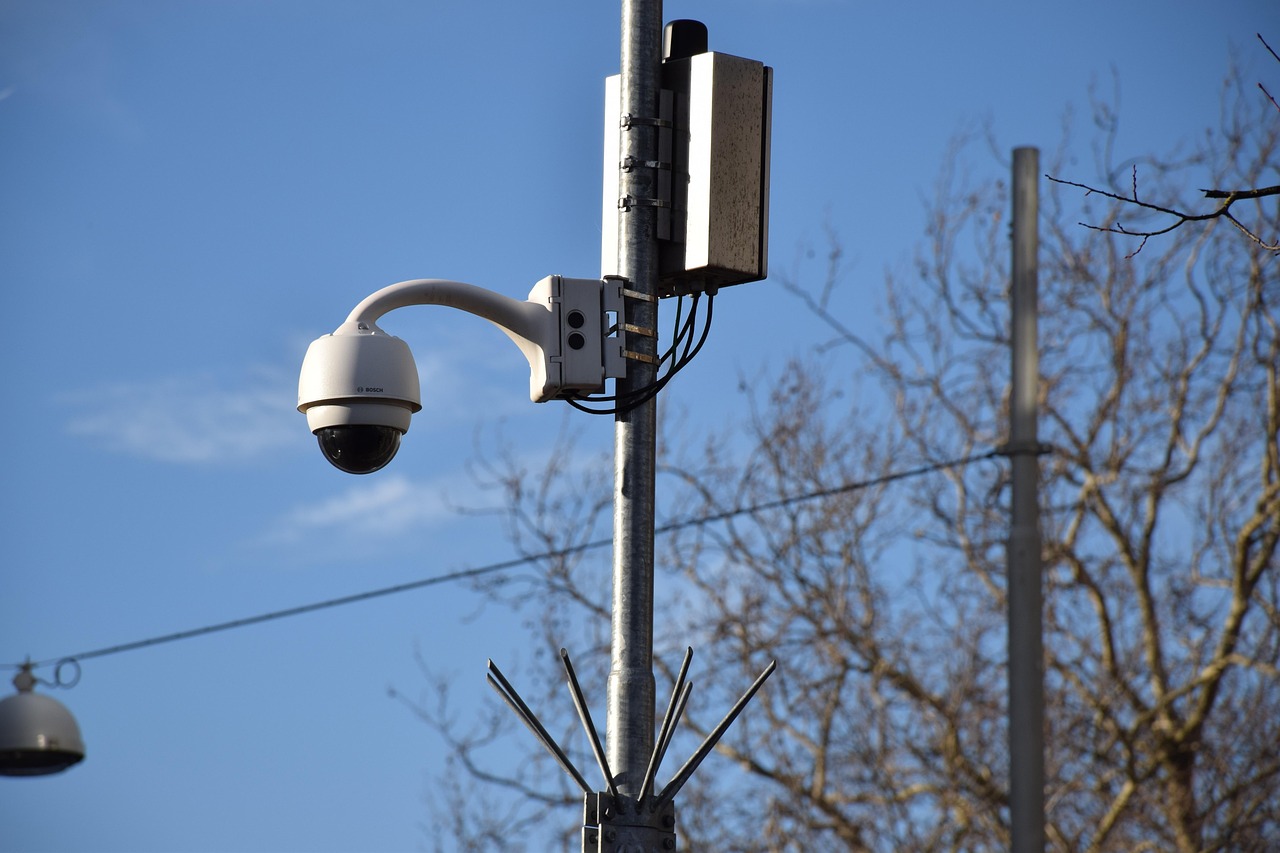
Finally, Austin encourages the use of surveillance systems. Cameras must be placed in visible spots, and footage should be recorded and stored securely. These measures help law enforcement investigate any crime on the site.
2. Houston Job Site Security Regulations
Houston, being a large city with many construction projects, has its own strict rules. The city requires secure fencing, but also insists on keeping sidewalks and streets clear for pedestrians and traffic.
Houston’s regulations emphasize protecting the environment around the job site. For example, sites must have measures to prevent debris from spilling onto roads or nearby properties.
The city also requires proper lighting and encourages video surveillance. Houston promotes the use of technology like motion sensors and alarms to alert security teams about suspicious activity.
Additionally, Houston requires regular security checks and documentation. Contractors must keep logs of incidents and maintenance checks to show they comply with rules.
Differences Between Austin and Houston Regulations
While both cities aim to protect job sites, their focus varies a little:
- Austin focuses more on public safety and clear warning signs to prevent accidents.
- Houston places extra emphasis on environmental safety and keeping public pathways clean and safe.
Both cities encourage modern security technology, but Houston often requires more documentation and reporting from contractors.
How to Ensure Compliance with Local Regulations
If you are managing job site security Austin or job site security Houston, here are some simple steps to stay compliant:
- Understand the Local Codes: Review Austin’s or Houston’s official websites for updated construction and security guidelines.
- Install Proper Fencing: Use strong fences that meet city height and design standards.
- Add Adequate Lighting: Ensure nighttime visibility with bright, well-placed lights.
- Use Surveillance Cameras: Place cameras to cover the entire site, and keep recordings safe.
- Display Safety Signs: Clearly mark hazards and restricted areas with signs approved by the city.
- Maintain Clean Surroundings: Avoid debris and waste spilling into streets or sidewalks.
- Keep Records: Document security checks, incidents, and maintenance work regularly.
- Train Staff: Make sure all workers and security teams know the rules and how to follow them.
Benefits of Following Local Regulations
Following local regulations for job site security Austin and job site security Houston is not just about avoiding fines or penalties. It also helps:
- Prevent theft and damage to valuable tools and materials
- Reduce accidents and injuries on the job site
- Improve the reputation of your company as safe and professional
- Speed up project timelines by avoiding delays caused by security incidents
- Build good relationships with the local community and authorities
How Birdseye Surveillance Can Help
If managing all these rules feels overwhelming, companies like Birdseye Surveillance specialize in job site security Austin and job site security Houston. They provide expert security solutions customized to meet local regulations.
Their services include:
- Installing the right fencing and lighting
- Setting up advanced surveillance cameras and alarms
- Monitoring your site 24/7 with trained security personnel
- Helping you keep accurate security records
- Advising on the best ways to comply with local laws
Conclusion
Local regulations play a big role in shaping job site security Austin and job site security Houston. By understanding and following these rules, businesses can protect their sites, workers, and the community.
Good security means more than just cameras or guards—it means creating a safe environment that meets legal standards and reduces risks.
Whether you manage a construction project in Austin or Houston, investing in compliant job site security is smart. It saves money, prevents trouble, and helps your business grow.
For reliable and regulation-friendly security solutions, Birdseye Surveillance is your trusted partner in Texas.

Comments are closed.