



Construction projects in Houston move fast. Equipment changes location, materials arrive in stages, and work zones shift daily. That pace makes traditional, fixed security measures less effective. Mobile camera systems give contractors the flexibility to protect every phase of a build, offering instant coverage where and when it’s needed most.

Why are mobile cameras a practical choice?
Mobile systems are temporary, rugged, and easy to relocate. They run on solar or batteries, stream to the cloud, and include night vision and motion detection. For busy Houston sites, these systems remove barriers: no need for permanent power, no major installation time, and no expensive trenching or cabling. Contractors also compare them with jobsite security cameras in Houston for larger, fixed installations.
Real-time oversight and remote access
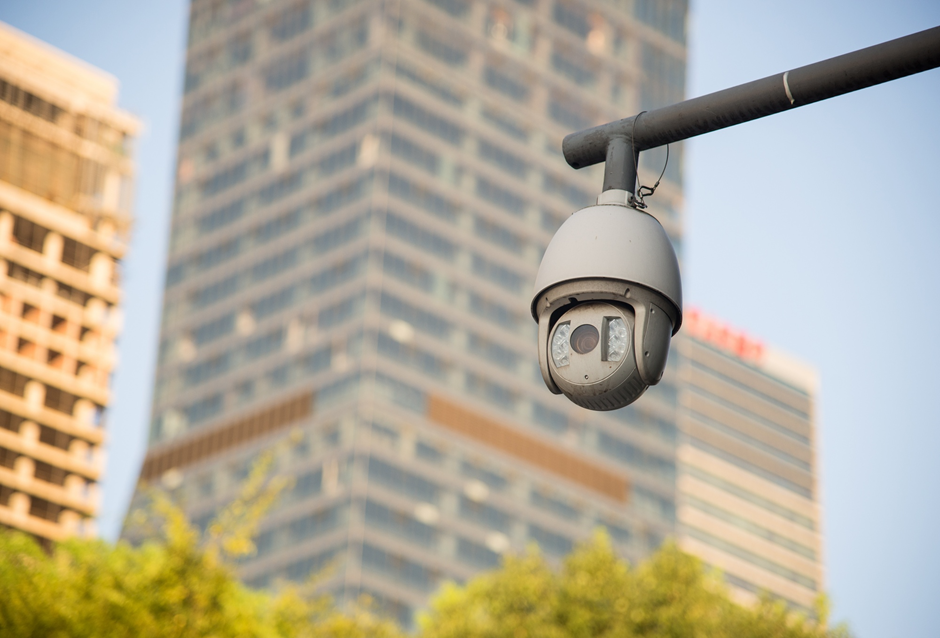
Remote monitoring is a key benefit. Managers can view live feeds on smartphones or computers. That visibility speeds incident response and helps confirm deliveries, crew check-ins, and after-hours activity. When paired with smart alerts, teams get immediate notifications for motion, perimeter breaches, or tampering and can act before losses escalate.
Deterrence and evidence collection
Visible cameras deter theft and vandalism, since criminals avoid sites where they risk being recorded. When incidents do occur, high-definition footage provides clear evidence for police and insurers. That evidence speeds investigations and supports claims, helping to minimize project delays and financial impact.
Safety, compliance, and training
Recording daily activity helps monitor PPE usage, machinery operation, and scaffolding procedures, and supports safety training by showing real examples of risk and corrective action. Video logs also clarify responsibility when disputes arise and make it easier to demonstrate compliance with local safety expectations.
Advanced analytics and proactive alerts
Modern platforms offer analytics beyond simple recording. AI can distinguish humans from animals, flag loitering, count personnel in restricted zones, and detect heat anomalies that may indicate fire risk. These tools reduce false alarms and produce meaningful alerts that security teams and site managers can act on immediately.
Cost-effective and scalable protection
Many contractors find mobile systems cheaper than hiring multiple guards or installing fixed infrastructure. Rental and subscription models let companies scale protection up or down with project needs. Prevented equipment theft, fewer false claims, and smoother timelines deliver measurable ROI, and insurers often recognize documented security measures when evaluating risk.
Key features to look for”
- Rapid deployment: lightweight towers or trailers that can be placed and operational within hours.
- Power options: solar panels, batteries, or hybrid solutions to keep cameras online without site power.
- Night vision and thermal imaging: They help with low-light detection.
- Cloud storage and encrypted feeds: These are necessaryfor secure evidence retention.
- Integrated analytics: Human detection, perimeter alerts, and object left/removed alarms.

Integration with workflows and virtual guard services
The best mobile setups integrate with existing site management and virtual guard services and are often paired with jobsite security cameras in Austin deployments when projects span multiple cities.
Linking camera feeds to delivery schedules, access logs, and digital checklists streamlines oversight. A virtual guard can monitor feeds in real time, verify alarms, and dispatch responders only when needed, keeping costs down while improving response times.
Real-world savings and scenario
Imagine a downtown Houston building where a stolen generator halts concrete pours for two days. The delay costs labor, scheduling, and possibly liquidated damages. With mobile cameras, managers receive an alert during off-hours, confirm attempted theft on a live feed, and authorize a focused response that prevents loss. That single avoided incident can easily offset months of system rental.
Choosing the right provider
Partner with a vendor who understands construction realities like durability, weather resistance, and rapid redeployment. Ask about maintenance response times, cloud retention policies, and legal compliance for video use in Houston. A local provider with Texas site experience will help optimize placement, advise on permitting, and coordinate with local law enforcement when needed.
Request local references and case studies to confirm experience in Houston. Ask about local warranty terms, cloud retention duration, and whether analytics reporting is included. Consider trial periods or flexible rental terms to test coverage before committing. Plan for seasonal adjustments.
Quick deployment checklist
- Conduct a site survey to identify blind spots and coverage priorities.
- Plan power and connectivity. Choose solar or hybrid setups where mains aren’t available.
- Place cameras to cover material lots, equipment, access points, and perimeter lines.
- Set up remote monitoring, alert thresholds, and user access controls.
- Test the system under night and adverse weather conditions, and schedule routine maintenance. Record deployment dates for insurance and review monthly.
Conclusion
Mobile camera systems give Houston contractors flexible, powerful protection without long-term commitments. They protect assets and keep projects on schedule. For builders who value flexibility and ROI, mobile systems are a clear upgrade. To explore mobile camera solutions tailored for your Houston site (or neighboring operations), visit Birdseye Surveillance’s official website.

Comments are closed.