



As Birdseye Surveillance continues to expand its reach across Texas and the Southeast, we want to highlight a market that’s generating incredible momentum: Austin, Texas. Understanding how—and why—Austin is growing helps us better serve you, whether your focus is in Central Texas, the I-35 corridor, or beyond.
Below is a deep dive into Austin’s growth, its drivers, and what the future may hold. Spoiler: it’s one of the most dynamic urban regions in the country.
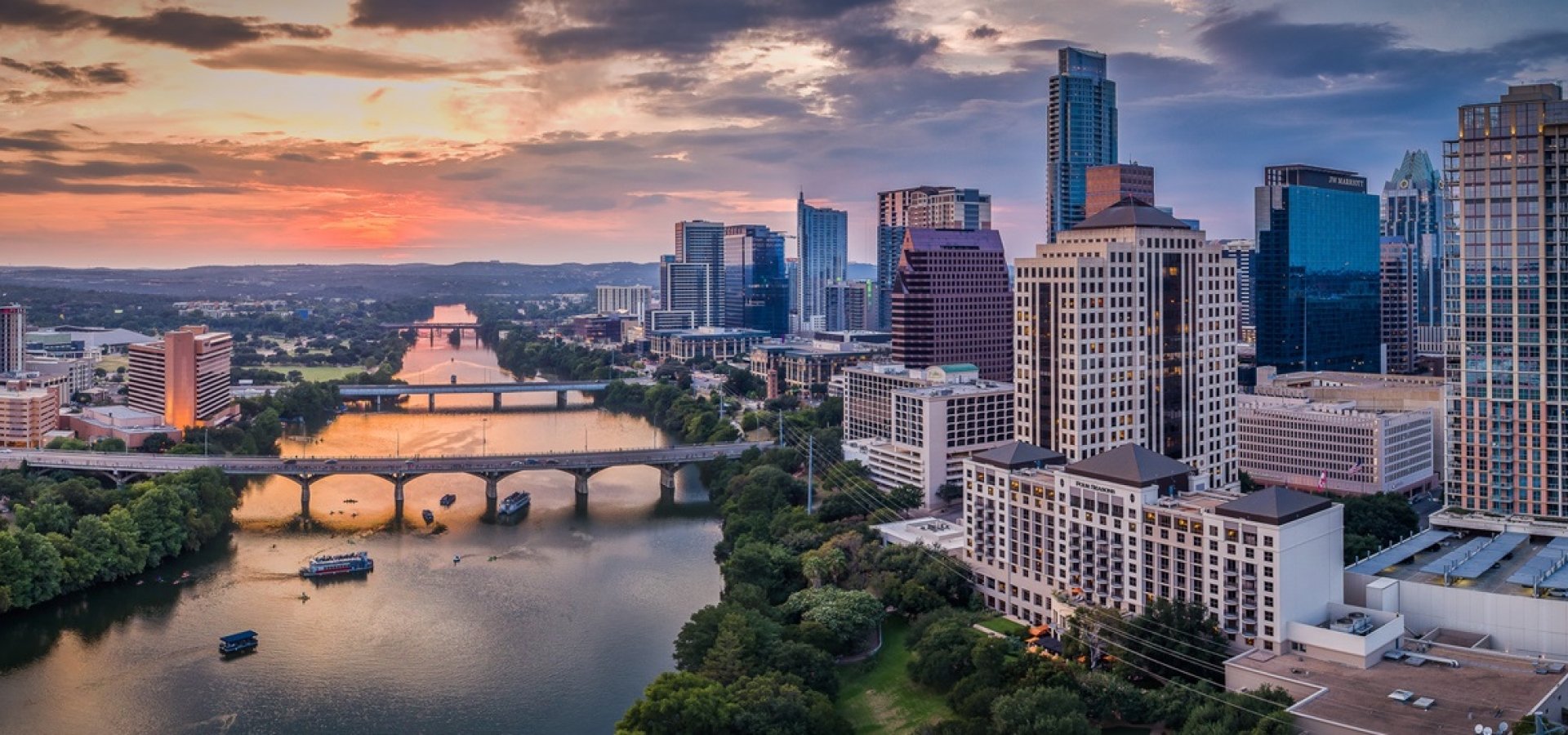
Austin by the Numbers
- 2.3+ million residents in 2025.
- 267,000+ new residents since 2020.
- Projected to reach 5+ million by 2060.
- Suburbs like Hays & Williamson counties lead the boom.
Where Are People Coming From?
- Los Angeles, Phoenix, Denver lead out-of-state moves.
- Many relocating from coastal metros for lower cost & no state income tax.
- International migration now a major driver.
Why Austin?
- 🚀 Jobs: Tech, biotech, advanced manufacturing.
- 🎶 Culture: Music, arts, food, festivals.
- 🌳 Lifestyle: Outdoor recreation, vibrant neighborhoods.
- 🎓 Opportunity: Education and career growth.
🔮 Looking Ahead: What’s Next for Austin?
Urban & Metro Expansion
- As Austin’s core growth slows, much of the expansion is happening in suburbs and outlying counties (Hays, Williamson, etc.).
- Projections suggest the Austin metro may surpass 5 million people by 2060 — making it one of the largest metro regions in the U.S.
- Some demographers expect the I-35 corridor between Austin and San Antonio to become more integrated, possibly forming a “megaregion” or joint MSA in future census definitions.
Infrastructure, Housing, & Growing Pains
- Rapid growth has put stress on transportation, roads, traffic congestion, and transit systems.
- Housing demand has soared, pushing up home prices, rents, and competition — especially closer to central Austin and popular neighborhoods.
- Some cooling in home prices and more inventory has been reported recently, giving buyers a bit more negotiation room.
- The city is trying to balance growth with maintaining green space, parks, and livability.
- Urban planning approaches (higher-density, mixed-use development, transit-oriented design) will be crucial to maintain sustainability.
Economic & Sector Trends
- Austin continues to diversify beyond tech into biotech, life sciences, advanced manufacturing, creative industries, and more.
- Venture capital, R&D investment, and innovation clusters in Austin are expected to grow.
- These trends will drive demand for construction, development, industrial parks, and new infrastructure — all of which need security and monitoring services.
Birdseye Surveillance — Protecting Austin’s Growth, One Site at a Time.

Comments are closed.