



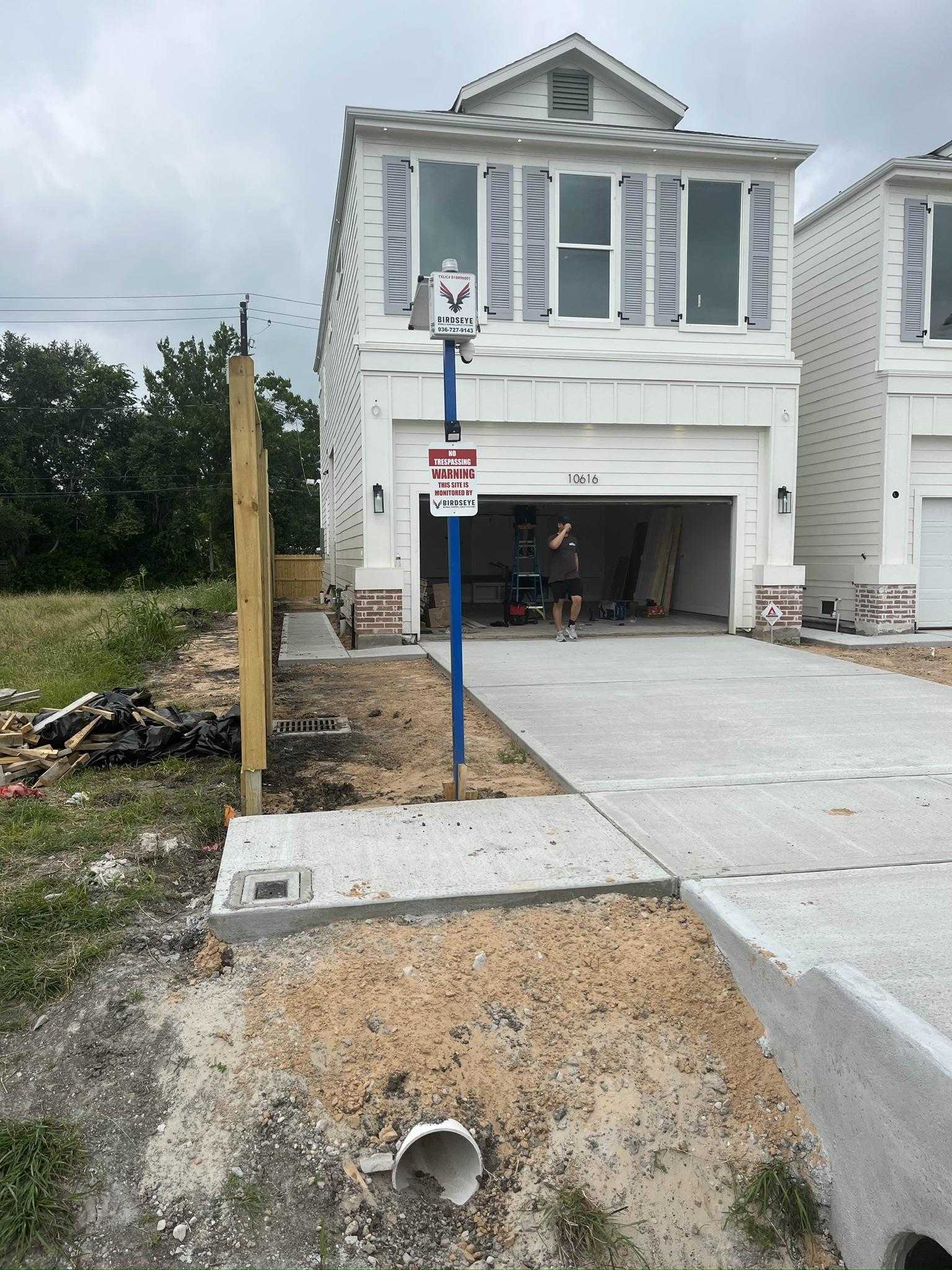
Artificial intelligence is no longer a future concept in construction—it is an operational reality. In 2026, AI will continue to reshape how residential and commercial projects are planned, built, secured, and managed. From early-stage design to job site security, AI-driven tools are improving efficiency, reducing risk, and driving measurable cost savings across the industry.
Smarter Planning and Project Management
AI-powered software is transforming preconstruction and scheduling. Advanced algorithms can now analyze historical project data, local labor trends, material availability, and weather patterns to produce more accurate timelines and budgets. In 2026, contractors will increasingly rely on AI to forecast delays before they happen, optimize crew deployment, and flag cost overruns in real time. This will be especially impactful for large commercial developments and multi-home residential builds where small inefficiencies quickly compound.
Improved Safety and Compliance
Safety remains one of the most critical areas where AI is making an impact. Computer vision and machine learning models can identify unsafe behaviors—such as missing PPE, unauthorized site access, or workers entering restricted zones—without requiring constant human oversight. Expect broader adoption of AI-driven safety monitoring in 2026, helping reduce incidents, lower insurance premiums, and improve regulatory compliance.
Quality Control and Progress Tracking
AI-enabled image analysis is also enhancing quality control. By comparing live site imagery against design plans, AI can detect deviations, incomplete work, or installation errors earlier in the build cycle. This allows project managers to correct issues before they become costly rework, improving both timelines and finished product quality.
The Evolution of Construction Camera Systems
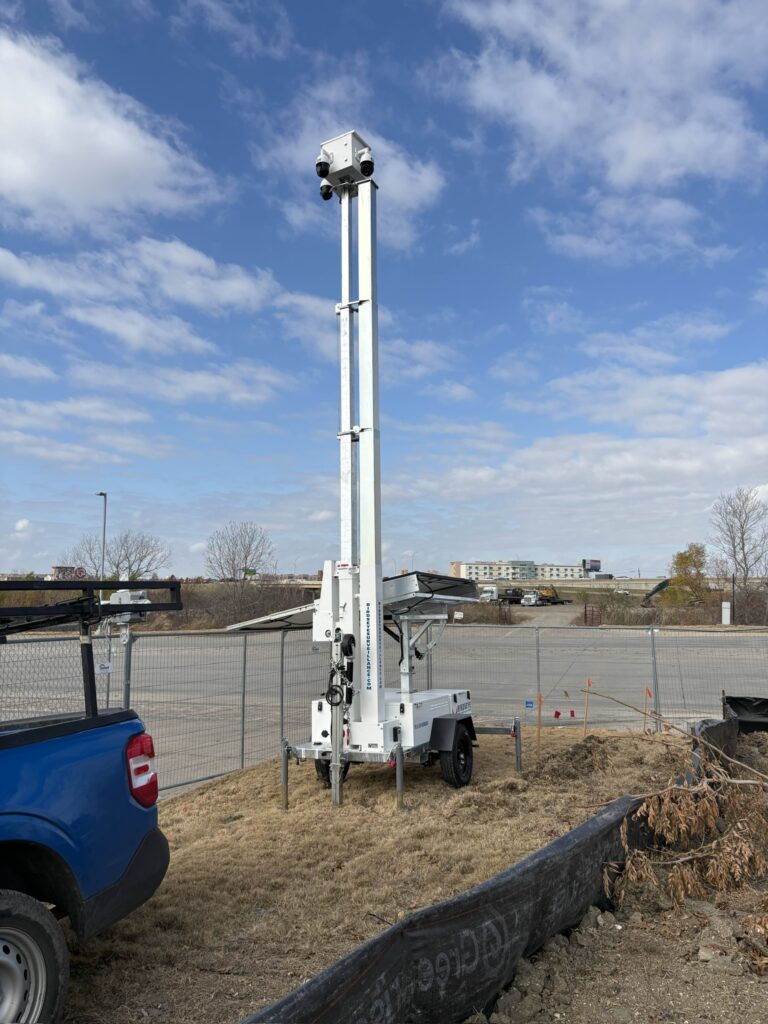
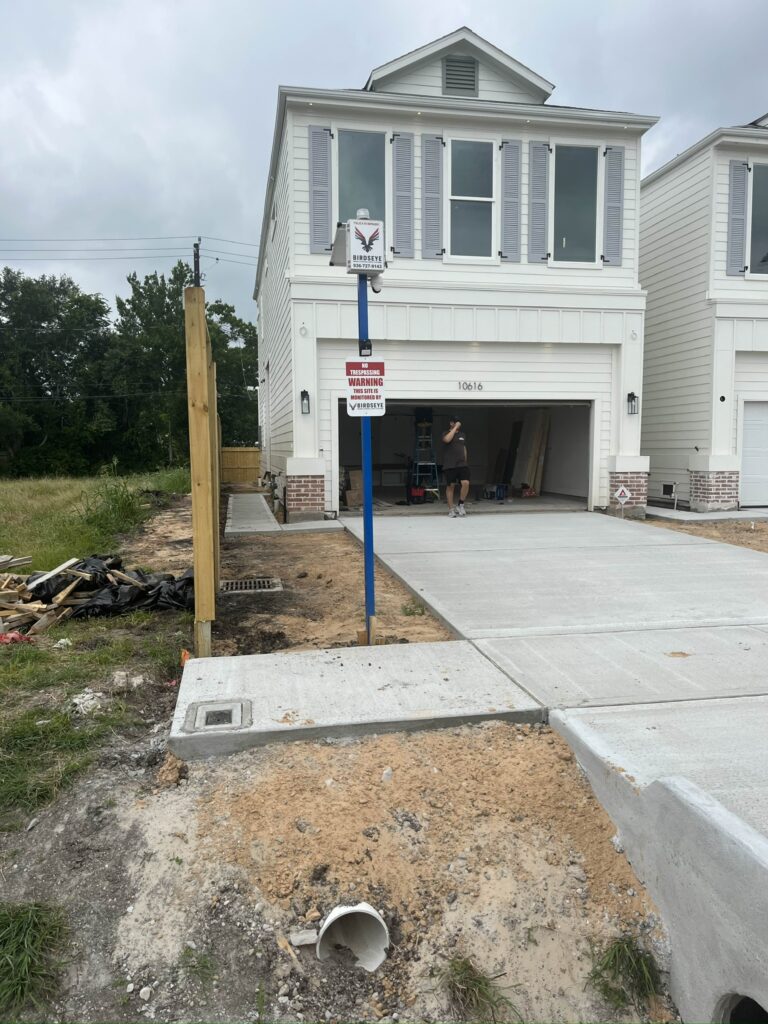
One of the most significant AI advancements in 2026 will be in construction site camera and security systems. Cameras are no longer passive recording devices. AI-driven systems can now distinguish between normal activity and real threats, reducing false alarms while ensuring genuine incidents receive immediate attention. Features such as automated intrusion detection, license plate recognition, loitering alerts, and activity-based notifications are becoming standard expectations—not premium add-ons.
At Birdseye Surveillance, we are seeing firsthand how AI-enhanced camera systems are changing job site security. AI allows cameras to act proactively—detecting theft, vandalism, and safety violations in real time—while providing actionable intelligence to builders, contractors, and project owners. As construction activity accelerates in 2026, AI-powered surveillance will be a critical component of protecting assets, maintaining schedules, and keeping job sites secure and compliant.
AI is no longer just improving construction—it is redefining it.

Comments are closed.